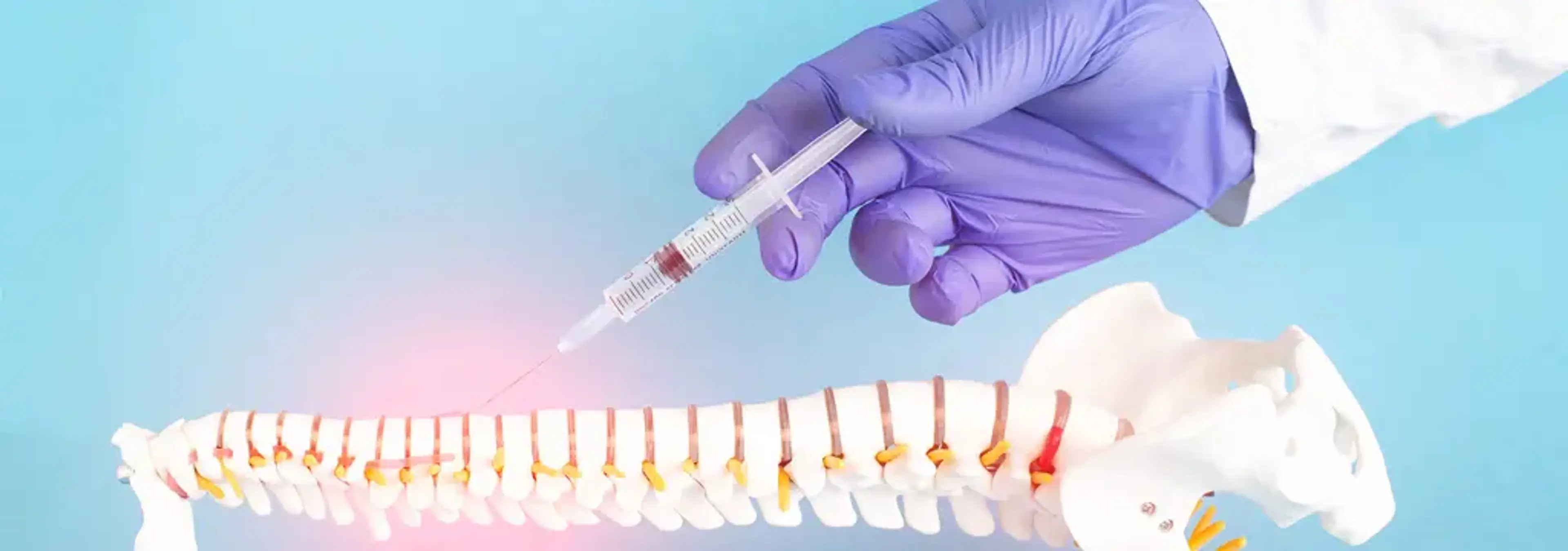
Introduction
introduction:-why-stem-cells-for-spinal-arthritisSpinal arthritis—especially degenerative changes like intervertebral disc degeneration and facet joint osteoarthritis—is a leading cause of chronic back pain and reduced mobility, particularly in aging populations. These conditions arise from years of mechanical wear, inflammation, and tissue breakdown, leading to stiffness, nerve irritation, and progressive loss of function.
Traditional treatments such as NSAIDs, corticosteroid injections, radiofrequency ablation, and surgery often manage symptoms but fall short of addressing the root cause. Even when effective short-term, many of these options come with limitations or side effects, particularly for older adults or those with comorbidities.
Stem cell therapies represent a paradigm shift in how we approach spinal arthritis. Instead of merely masking symptoms, these therapies aim to regenerate damaged spinal structures, reverse inflammatory processes, and potentially alter the course of the disease. For patients seeking alternatives to surgery or those unresponsive to conventional treatment, regenerative medicine opens a new frontier.
Understanding the Science: How Stem Cells Work
understanding-the-science:-how-stem-cells-workStem cells, particularly mesenchymal stem cells (MSCs), offer several biological benefits that make them attractive for treating spinal arthritis:
Paracrine Signaling: MSCs release bioactive molecules like growth factors, cytokines, and extracellular vesicles (e.g., exosomes). These signaling molecules stimulate resident cells, promote repair, and regulate immune responses.
Immunomodulation: Chronic inflammation is a major driver of spinal arthritis. MSCs help recalibrate immune activity by suppressing pro-inflammatory cytokines (like TNF-α and IL-1β) and promoting anti-inflammatory factors. This can reduce pain, protect tissue, and create a more favorable environment for healing.
Tissue Regeneration: Under certain conditions, MSCs may differentiate into chondrocyte-like or discogenic cells, contributing to cartilage or intervertebral disc matrix repair. While direct regeneration is still under study, supporting native tissue recovery is a consistent outcome.
Angiogenesis: Enhanced blood vessel formation in degenerated spinal tissue improves oxygenation and nutrient supply, both of which are essential for recovery in hypoxic, avascular environments like the intervertebral disc.
Endogenous Stem Cell Activation: Injected MSCs may also recruit and activate the body’s own progenitor cells, amplifying regenerative signals locally.
These combined effects make stem cells a multi-modal therapy—not just replacing cells, but also reshaping the biological environment to promote healing.
What the Evidence Shows: Preclinical and Clinical Data
what-the-evidence-shows:-preclinical-and-clinical-data
Preclinical Insights
preclinical-insightsExtensive studies in animal models demonstrate that stem cell therapy can:
Restore disc height and hydration (observed via MRI)
Reduce biochemical markers of inflammation and oxidative stress
Prevent further structural degeneration in treated segments
Improve locomotion and pain behaviors in rodent models
These studies support the rationale for translating stem cell therapies into clinical care. However, differences between animal and human physiology necessitate careful adaptation.
Human Studies
human-studiesIn recent years, early-phase clinical trials and retrospective case series have begun to paint a more complete picture of stem cell therapy for spinal conditions. Key findings include:
Pain Reduction: Patients report decreases in chronic low back pain scores (VAS, ODI) after MSC-based interventions, particularly in early to moderate degeneration.
MRI Evidence: Imaging studies occasionally show improved disc hydration and reduced inflammatory changes following treatment.
Safety Profile: When conducted in controlled, sterile environments, stem cell injections have shown good safety with low rates of infection, immune reaction, or abnormal cell growth.
Despite encouraging signs, many studies are small, open-label, or lack long-term follow-up. Regulatory bodies like the U.S. FDA and Korea's Ministry of Food and Drug Safety (MFDS) are moving cautiously, emphasizing the need for large-scale randomized trials and standardized protocols.
Delivery Methods and Stem Cell Types
delivery-methods-and-stem-cell-typesStem Cell Sources
stem-cell-sourcesChoosing the right type of stem cell is foundational:
Autologous MSCs (from the patient's own bone marrow or fat) minimize rejection risk and are commonly used in personalized therapies. However, cell quality can vary with age and health.
Allogeneic MSCs (from donor umbilical cord, placenta, or cultured cell lines) offer consistent potency and availability. These are rigorously tested for immune compatibility and sterilized under GMP conditions.
Exosome-based therapies (derived from MSCs) represent a next-generation approach, focusing on cell-secreted vesicles rather than whole cells, potentially reducing immunologic risks.
Delivery Techniques
delivery-techniquesPrecision delivery to the affected spinal region is critical for efficacy:
Intradiscal Injection: Targets intervertebral disc degeneration directly. Requires imaging guidance (fluoroscopy or CT) to ensure accuracy and minimize risks such as disc leakage.
Facet Joint Injection: Suitable for osteoarthritic changes in the spinal joints. Offers a minimally invasive option for localized inflammation and stiffness.
Epidural or Perispinal Delivery: Used when broader anti-inflammatory effects or nerve-related pain relief are needed.
Adjunctive Tools and Strategies
adjunctive-tools-and-strategiesScaffolds: Biocompatible carriers (e.g., hydrogels, collagen matrices) help retain stem cells at the target site and support tissue integration.
Platelet-Rich Plasma (PRP): Often combined with stem cells to provide growth factors that enhance healing.
Mechanical Offloading & Physical Therapy: Post-injection rehabilitation is essential to optimize outcomes and prevent re-injury.
Real-World Protocol: How a Specialized Center Treats Spinal Arthritis
real-world-protocol:-how-a-specialized-center-treats-spinal-arthritis
At Seoul Yes Hospital, regenerative spine treatment is a multi-step, carefully monitored process. Here's what a typical patient journey might involve:
Comprehensive Evaluation:
High-resolution MRI to assess disc height, hydration, and joint degeneration
CT imaging for bone and facet detail
Inflammatory and metabolic blood panels
Functional assessments (e.g., Oswestry Disability Index)
Cell Harvest or Selection:
Cell Processing & Priming:
Culturing and expansion under sterile, quality-controlled conditions
Preconditioning with hypoxia or cytokines to boost anti-inflammatory properties
Viability and sterility testing before use
Image-Guided Injection:
Using fluoroscopy or CT, cells are precisely injected into the target spinal compartment
Optional scaffold or PRP co-injection for enhanced effect
Post-Procedure Support:
Activity modification or bracing during the initial healing phase
Tailored physical therapy regimen
Nutritional and supplement guidance to support regeneration
Follow-Up and Monitoring:
Repeat imaging at 3–6 months to track structural changes
Pain and function assessments at regular intervals
Additional booster injections if clinically indicated
Optional innovations may include gene-modified MSCs, exosome therapy, or combinatory protocols with mechanical stimulation (e.g., low-intensity ultrasound).
Risks, Challenges, and Questions
risks-challenges-and-questionsWhile the promise of stem cell therapy is real, it's important to be aware of its limitations:
Variable Response Rates: Not all patients respond equally. Factors like age, disease severity, and metabolic health influence outcomes.
Tissue Integration: Ensuring that injected cells survive, remain in place, and contribute to actual repair is an ongoing challenge.
Inflammatory Environment: The degenerated spine is often biologically hostile, filled with inflammatory cytokines that may impair cell function.
Procedure Risks: These include infection, bleeding, nerve irritation, and unintended tissue damage, though rates are low when performed by skilled practitioners.
Cost and Accessibility: Advanced regenerative therapies are not always covered by insurance and can be expensive due to lab processing and individualized protocols.
Regulatory Oversight: Patients must be cautious about unregulated clinics. In South Korea, only institutions registered under the Advanced Regenerative Bio Act can legally offer such treatments.
The Future: What to Watch
the-future:-what-to-watchThe field is rapidly evolving, with exciting developments on the horizon:
Exosome Therapies: Offering cell-free alternatives with similar benefits but fewer complications
Smart Scaffolds: Materials that release signals over time to guide cell behavior and matrix formation
Predictive Biomarkers: Tools to determine in advance which patients will benefit most
Standardized Protocols: Development of globally accepted treatment algorithms for spinal applications
Regulatory Advancements: South Korea is poised to lead with its robust regulatory environment and investment in regenerative research
Practical Advice for Patients
practical-advice-for-patientsIf you're exploring stem cell therapies for spinal arthritis, consider the following:
Ask Questions: Inquire about the provider’s experience, protocols, regulatory compliance, and published outcomes.
Be Realistic: Stem cell therapy is not a magic cure. It's part of a broader strategy aimed at reducing pain and slowing disease—not necessarily reversing all damage.
Prioritize Safety: Ensure treatments are done under sterile, image-guided conditions with follow-up protocols.
Choose the Right Center: Seek out hospitals like Seoul Yes that combine minimally invasive spine expertise with regenerative innovation and long-term patient care.
At Seoul Yes Hospital, our regenerative approach is grounded in science, safety, and compassion. We help patients reclaim mobility and reduce pain through evidence-backed, future-facing care.
If spinal arthritis is impacting your quality of life, exploring regenerative solutions might be your next step.