Home / Articles
Can Stem Cells Improve Cognitive Function in Neurological Patients?
Home / Articles
Can Stem Cells Improve Cognitive Function in Neurological Patients?
When it comes to neurological conditions, the potential of stem cell therapy is a topic that stirs a lot of curiosity. From Parkinson’s disease to Alzheimer's, stroke recovery, and multiple sclerosis, brain and cognitive dysfunctions are among the most debilitating issues that affect millions globally. Despite the growing body of research, many patients and their families still wonder: can stem cells truly improve cognitive function in neurological patients?
At Seoul Yes Hospital, where we integrate cutting-edge regenerative medicine with holistic patient care, this question is often at the forefront of our discussions. With a specialized focus on regenerative therapies, including stem cell treatments, we’re continually exploring how these advanced treatments might benefit neurological patients. Here's a closer look at the science, the potential, and the real-world possibilities of stem cell therapy for improving cognitive function.
To understand how stem cells might improve cognitive function, it's important to first know what stem cells are and why they hold such potential in treating a wide range of conditions. Stem cells are essentially the body’s repairmen, capable of becoming different types of cells. This remarkable ability allows them to repair or regenerate damaged tissues and organs.
There are two main types of stem cells used in medical treatments:
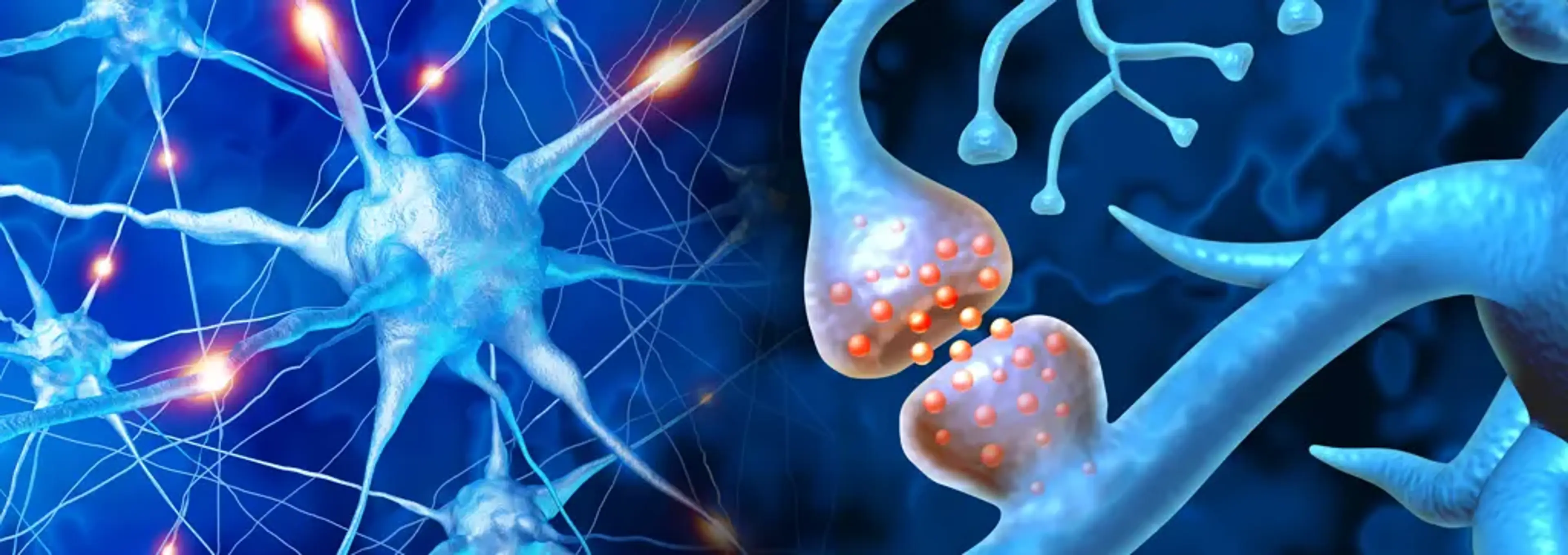
What’s truly exciting is the fact that stem cells have the potential to regenerate damaged neurons in the brain. This is particularly significant for cognitive conditions, where neurons— the brain's communication pathways—are often damaged or degenerate over time.
Conditions like Alzheimer’s, Parkinson’s, and Huntington's disease cause progressive degeneration of neurons. As the brain’s neural pathways degrade, cognitive abilities—including memory, decision-making, and motor control—also deteriorate.
In these cases, stem cells can potentially:
Although clinical research is still ongoing, some studies have shown improvements in cognition, motor function, and overall brain health following stem cell therapy. However, these results vary depending on the severity of the disease, the type of stem cells used, and how early the treatment is administered.
Stroke can leave patients with significant cognitive deficits, especially if the stroke affects parts of the brain responsible for memory, speech, or decision-making. Stem cells may play a key role in stroke recovery by stimulating the regeneration of brain cells and enhancing neuroplasticity, which helps the brain reorganize and form new pathways.
For stroke patients, neurogenesis—the creation of new neurons—could lead to improvements in motor skills and cognitive abilities like memory and language processing. While more research is needed to confirm these effects, there have been promising early-stage studies that suggest stem cells might help stroke survivors regain cognitive function more effectively than traditional rehabilitation alone.
Traumatic brain injuries, whether from accidents, sports injuries, or other causes, can lead to significant cognitive impairment. In TBI, brain cells can be destroyed or damaged, affecting memory, concentration, and even personality.
Stem cell therapy has been investigated for its potential to repair brain damage caused by TBI. Early animal studies and some small-scale human trials suggest that stem cells can:
As with neurodegenerative diseases and stroke, the key to successful outcomes is timing. The earlier stem cell therapy is administered after injury, the better the chances of significant recovery.
While there’s substantial interest in stem cell therapy’s potential to improve cognitive function, it’s essential to approach the topic with cautious optimism. Research is still in its infancy, and we need more large-scale human trials to determine the long-term benefits and risks of stem cell treatments for neurological conditions.
Several studies have shown encouraging results with stem cells improving cognitive function in animals. For instance:
However, these studies are still preliminary, and there’s a gap between animal models and human applications. That said, advancements in stem cell biology, along with better understanding of brain neuroplasticity, make this an exciting area of research.
Despite its potential, stem cell therapy for cognitive improvement is not without challenges:
At Seoul Yes Hospital, we take a personalized, evidence-based approach when considering stem cell therapy. There are several methods of stem cell administration, including:
Each method has its pros and cons, and the best approach depends on the individual patient’s needs.
The potential for stem cells to improve cognitive function in neurological patients is real, though still emerging. At Seoul Yes Hospital, we are optimistic about the future of regenerative medicine, particularly for conditions where traditional treatments have limited success. If you or a loved one are dealing with cognitive decline due to a neurological disorder, it's worth discussing the potential benefits of stem cell therapy with a healthcare provider who specializes in regenerative treatments.
If you’re ready to explore innovative, non-surgical options to support cognitive health, Seoul Yes Hospital offers a unique blend of advanced science and personalized care to guide you through your healing journey. Speak with our specialists today to learn more about whether stem cell therapy could be a part of your path to recovery.