Home / Articles
Everything You Need to Know About Stem Cell Treatment for Spinal Stenosis
Home / Articles
Everything You Need to Know About Stem Cell Treatment for Spinal Stenosis
Spinal stenosis is a condition that many people face as they age, and its effects can be life-changing. For those dealing with the narrowing of the spinal canal, the resulting pressure on the spinal cord and nerves can cause pain, discomfort, and even mobility issues. The traditional path to managing spinal stenosis often involves medications, physical therapy, or, in more severe cases, surgery. But for those seeking a non-invasive alternative with the potential for long-lasting relief, stem cell therapy is emerging as a promising solution.
At Seoul Yes Hospital, we’ve seen firsthand how stem cell treatment can transform the lives of patients suffering from spinal stenosis, offering a new hope where other treatments may have fallen short. In this guide, we’ll explore everything you need to know about stem cell therapy for spinal stenosis — from how it works to the potential benefits and risks.
Before diving into how stem cell therapy can help, let’s quickly review what spinal stenosis is and why it causes pain and discomfort.
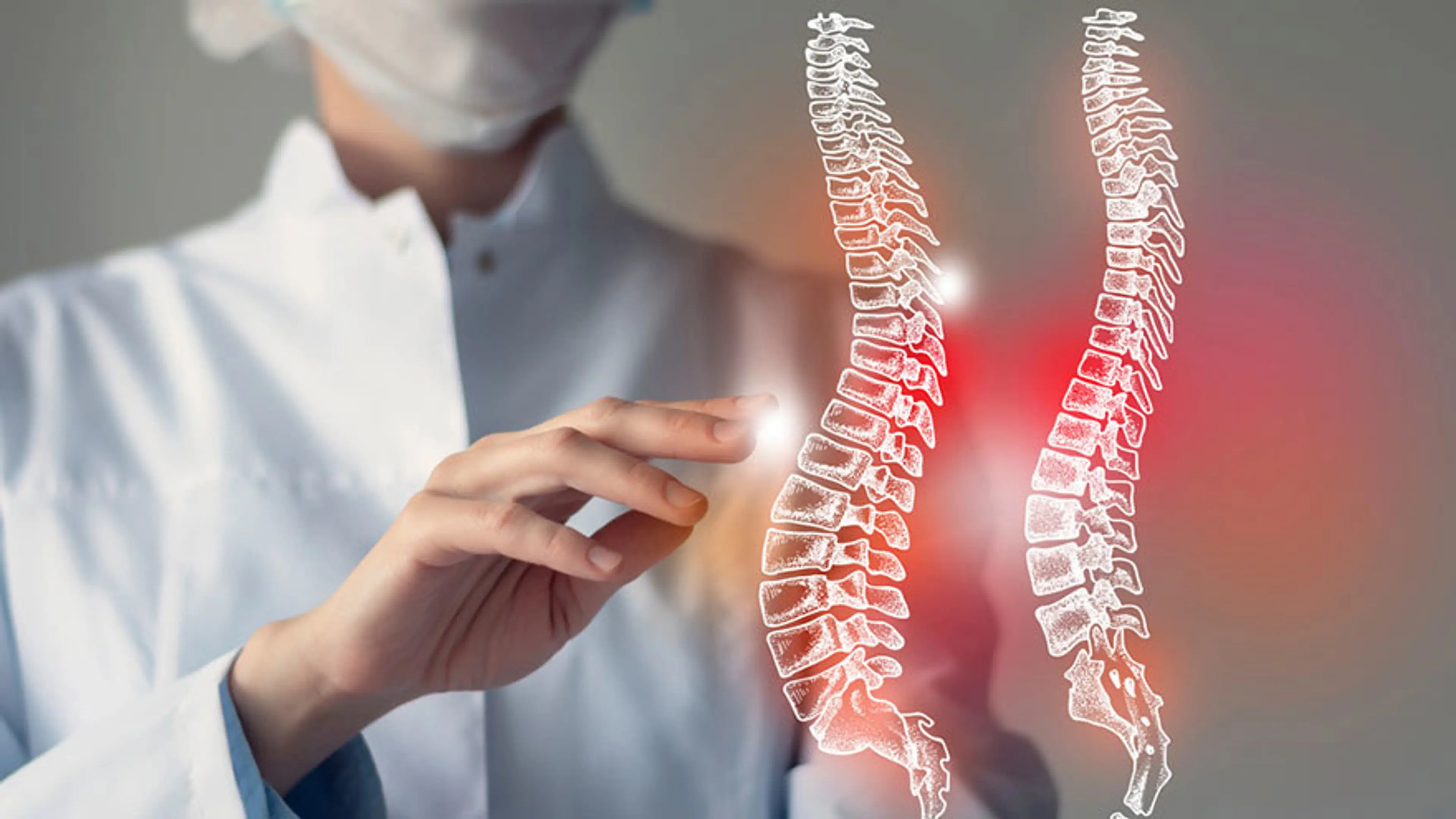
Spinal stenosis occurs when the spaces within your spine narrow, putting pressure on the nerves that travel through the spine. This condition most commonly affects the lower back (lumbar stenosis) and the neck (cervical stenosis). As the space around the spinal cord and nerve roots tightens, it can lead to a range of symptoms including:
While spinal stenosis can develop gradually due to aging, it can also result from trauma, arthritis, or genetic predispositions. For some people, the pain can become so severe that it limits daily activities, making even basic tasks like walking or sitting a challenge.
When dealing with spinal stenosis, patients typically follow a treatment path that starts with conservative options and may progress to more invasive measures if necessary. Here’s a quick overview of standard treatments:
Physical therapy can help strengthen the muscles around the spine and improve flexibility, which can alleviate some of the pressure on the spinal cord.
Pain management often starts with non-steroidal anti-inflammatory drugs (NSAIDs) or prescription pain relievers to reduce inflammation and provide temporary relief.
For more intense pain, steroid injections may be recommended to reduce inflammation around the nerve roots. While effective for some, the benefits are often short-lived.
When conservative treatments fail, surgery such as laminectomy (removing part of the bone or tissue pressing on the nerves) or spinal fusion may be considered. While these procedures can offer lasting relief, they come with risks, lengthy recovery times, and the potential for complications.
Stem cell therapy is a type of regenerative medicine that harnesses the body’s natural healing abilities to repair damaged tissues. Stem cells are unique in that they have the ability to develop into various types of cells, including those needed to heal the cartilage, bones, and tissues in the spine. When injected into a damaged area, these stem cells can work to regenerate healthy tissue, reduce inflammation, and promote healing.
For spinal stenosis, the goal of stem cell therapy is to repair the damaged discs and tissues around the spinal column, which may alleviate the pressure on the spinal cord and nerves.
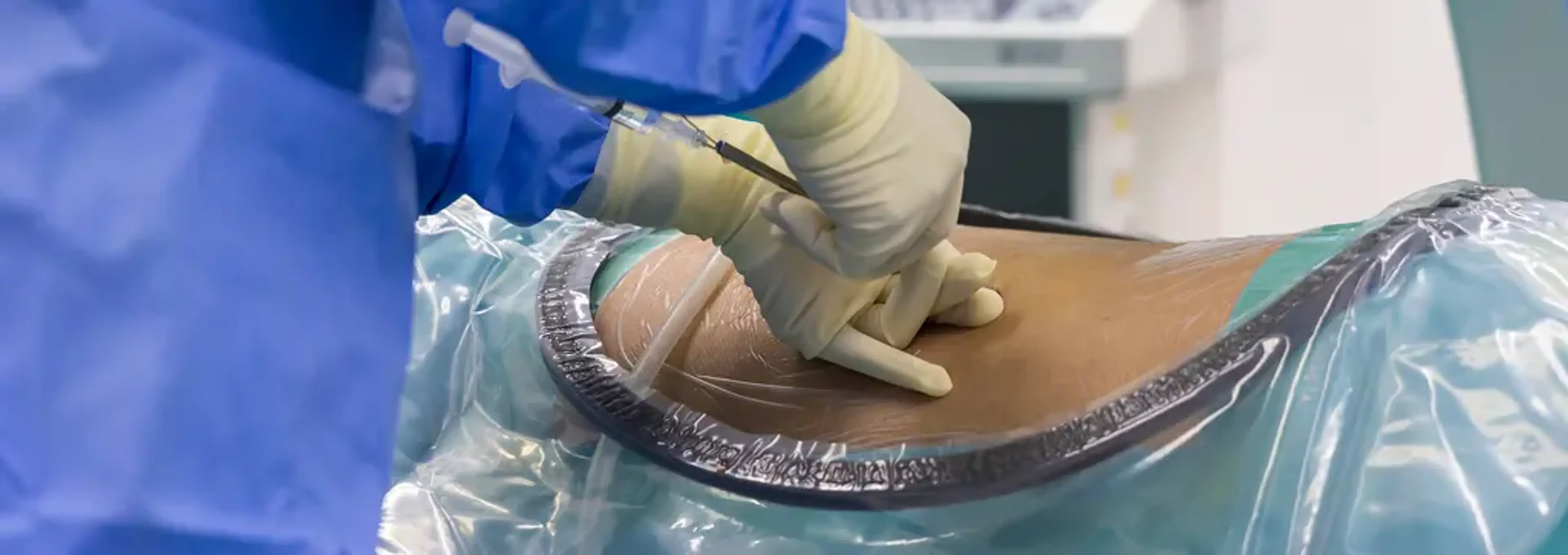
Stem cell therapy for spinal stenosis involves injecting a concentrated solution of stem cells into the affected area of the spine. These stem cells are often derived from your own body, usually from bone marrow or adipose (fat) tissue. In some cases, stem cells from a donor may be used.
Once injected into the targeted region, the stem cells get to work in several key ways:
Stem cells can develop into new cartilage, bone, or other tissues that may have been damaged by the narrowing of the spinal canal. This helps to restore the natural structure and function of the spine, potentially reversing the damage caused by spinal stenosis.
Stem cells have natural anti-inflammatory properties. They can help reduce inflammation around the spinal nerves and discs, which may alleviate pain and discomfort.
By regenerating tissues and reducing inflammation, stem cells may help decrease the need for pain-relieving medications, offering long-term relief without the risks of dependency or side effects.
Stem cells can stimulate the body’s own healing mechanisms, encouraging the repair of damaged spinal tissues and improving the overall function of the spine.
If you’ve been dealing with spinal stenosis and haven’t found long-term relief through traditional methods, stem cell therapy might offer several advantages:
Unlike surgery, stem cell treatment for spinal stenosis is minimally invasive. There’s no need for large incisions or a long recovery period. Most patients can return home the same day as the procedure and resume regular activities within a few days.
Because stem cell therapy doesn’t involve cutting or removing parts of the spine, the risk of complications such as infection, nerve damage, or blood loss is much lower compared to surgical options.
Rather than masking the symptoms with medications, stem cell therapy addresses the root cause of the pain by promoting tissue healing. This can lead to more durable and lasting pain relief.
For many patients, surgery is a last resort. Stem cell therapy offers an alternative, enabling them to avoid the risks and long recovery times associated with spinal surgery.
Stem cell therapy utilizes the body’s natural healing abilities, promoting tissue regeneration and repair in a way that feels organic and sustainable.
While stem cell therapy for spinal stenosis offers many promising benefits, it’s essential to recognize that, like any medical treatment, it’s not without its risks and limitations.
While many patients experience significant improvements, stem cell therapy doesn’t work for everyone. The success of the treatment can vary depending on factors like the severity of the stenosis, the overall health of the patient, and the type of stem cells used.
Stem cell therapy is often not covered by insurance, and the cost can be higher than traditional treatments. That said, many patients find that the long-term benefits of reduced pain and improved mobility are well worth the investment.
Although stem cell therapy has shown promise, research in this area is still ongoing. Some treatments may not have been studied as extensively as traditional surgical options, and outcomes can vary. It’s crucial to work with a medical provider who is experienced in regenerative medicine and understands the current research and advancements in this field.
If you're struggling with spinal stenosis, stem cell therapy may offer a viable solution, particularly if traditional treatments like medications, physical therapy, or steroid injections have not provided lasting relief. At Seoul Yes Hospital, we specialize in regenerative therapies and take a personalized approach to treatment. Our team of experts, led by Dr. Sung-Hoon Cho, can help assess your specific condition and determine whether stem cell therapy is the right choice for you.
If you’re considering stem cell therapy, here’s a good next step:
Spinal stenosis doesn’t have to control your life. Stem cell therapy represents an exciting frontier in the treatment of this condition, offering a less invasive, more natural way to repair damaged spinal tissues and reduce pain. If you're ready to explore regenerative solutions for spinal stenosis, it's time to talk to a medical professional who understands both the science and the human side of healing.
At Seoul Yes Hospital, we’re committed to providing cutting-edge treatments that help you regain your quality of life. Our advanced stem cell therapy options for spinal stenosis could be the key to a pain-free future, and we’re here to guide you every step of the way.