Introduction
introductionJoint pain has a way of creeping into your life quietly.
At first, it’s just a dull ache after a long walk or a slight stiffness when you get up in the morning. But over time, it begins to shape your decisions — the trips you don’t take, the sports you give up, the stairs you avoid. For some, it starts with a sports injury in their youth that never fully healed. For others, it’s simply the result of years of daily wear and tear.
In Korea, where active lifestyles and long working hours are the norm, joint health is often pushed to the back of our minds — until pain makes it impossible to ignore. Traditionally, treatment options have been limited: medication to control symptoms, injections to reduce inflammation, or surgery to replace what’s been damaged. But what if there were a way to actually repair the joint tissue itself?
That question is at the heart of stem cell therapy for joint regeneration.
At Seoul Yes Hospital, we’ve seen how this advanced, non-surgical approach can help patients reclaim mobility, reduce pain, and return to the activities they love. This isn’t a miracle cure — it’s a science-backed therapy that works with your body’s own healing abilities to restore function where damage once seemed permanent.
Why Joint Damage is Hard to Fix
why-joint-damage-is-hard-to-fixYour joints are engineering marvels. They’re where bones meet, cushioned by cartilage, surrounded by ligaments and tendons, all moving in perfect harmony. But unlike your skin, which heals quickly when cut, cartilage is a slow healer. Why?
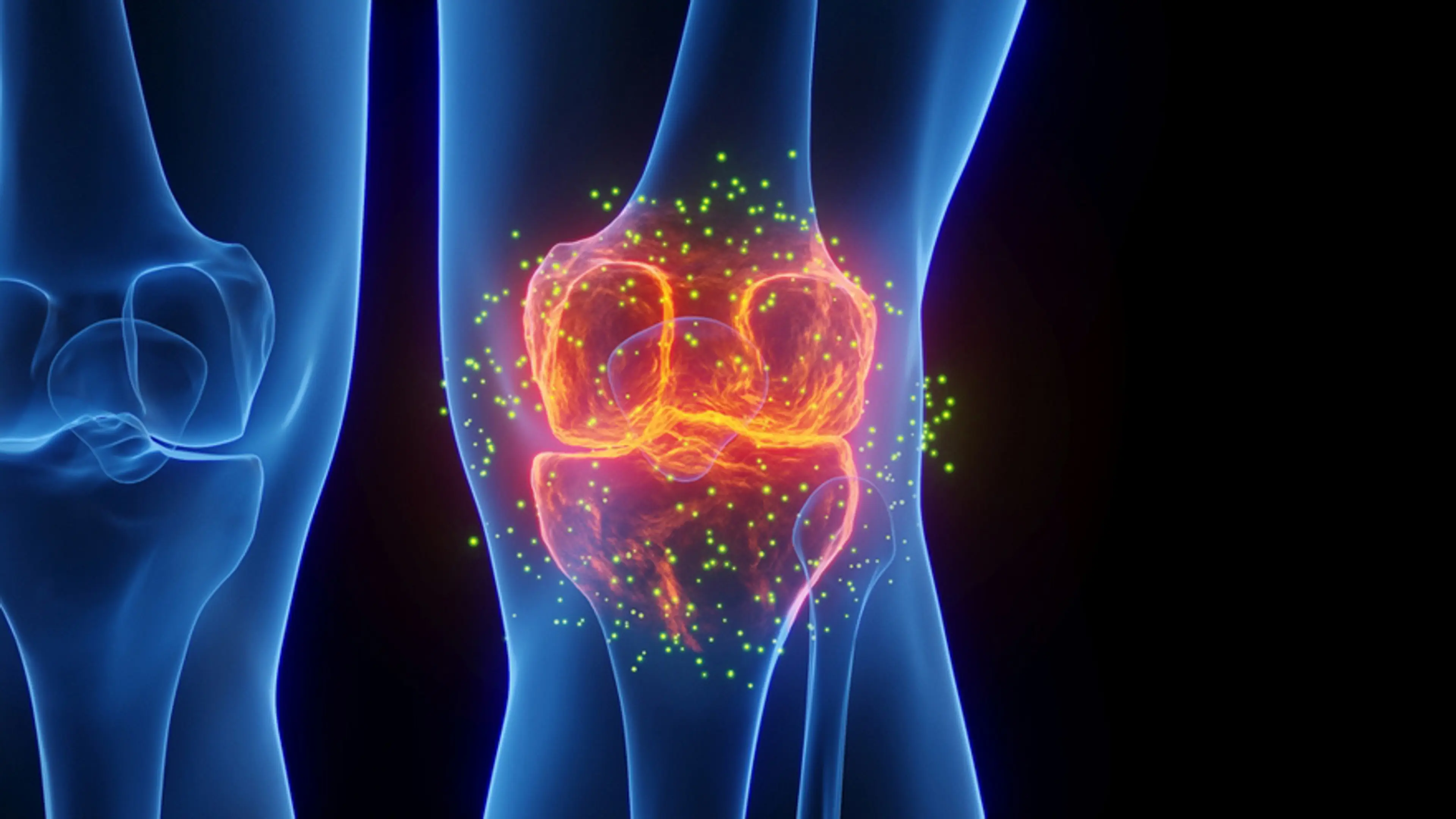
Cartilage has almost no blood supply — meaning there’s no easy way for your body to send repair cells to the site of injury. When cartilage gets damaged — through a sports injury, a fall, or simple wear-and-tear — it tends to stay that way unless something actively helps it regenerate.
At Seoul Yes Hospital, here’s what we often see:
Athletes in their 30s–40s with lingering meniscus or ligament tears from years of competitive play.
Office workers who feel fine sitting at their desk but can’t get through a weekend hike without knee swelling.
Seniors whose joints have thinned to the point where even walking to the corner shop feels like climbing a mountain.
Over time, untreated joint damage often leads to osteoarthritis — a progressive condition that can eventually make everyday activities a struggle.
Stem Cells: Nature’s “Repair Engineers”
stem-cells:-nature's-"repair-engineers"Stem cells are the body’s raw materials — undifferentiated cells that can transform into different types of tissue, including cartilage, bone, and muscle. When placed in the right environment, they can do three important things for damaged joints:
Reduce Inflammation – calming the swelling that makes every step painful.
Stimulate Tissue Repair – encouraging the growth of new cartilage cells.
Support Surrounding Structures – helping ligaments and tendons heal alongside the joint.
Think of it like hiring skilled craftsmen to fix a damaged hinge. They don’t just oil it; they replace the worn parts and reinforce the frame.
And this isn’t just theory. Clinical studies — including research published in The American Journal of Sports Medicine — have shown measurable improvements in pain scores, joint function, and even cartilage thickness after stem cell therapy.
How Stem Cell Therapy Works at Seoul Yes Hospital
how-stem-cell-therapy-works-at-seoul-yes-hospitalTo be honest, most patients arrive a little nervous. The word “stem cells” sounds futuristic, even experimental. But in reality, the process is minimally invasive, customized, and — in most cases — done without a hospital stay.
Step 1: Comprehensive Assessment
We begin with a thorough medical evaluation, imaging (MRI or ultrasound), and lab work. Not every joint condition is a good fit for stem cell therapy, and we want to be sure we’re choosing the safest, most effective approach.
Step 2: Cell Collection
Stem cells are usually taken from your own body — often from bone marrow or fat tissue — in a sterile environment. This makes the treatment safer by reducing the risk of rejection or immune reaction.
Step 3: Preparation and Concentration
In our in-house lab, the collected cells are processed to concentrate their regenerative properties. This step is critical — higher-quality cell preparation can directly influence results.
Step 4: Precision Injection
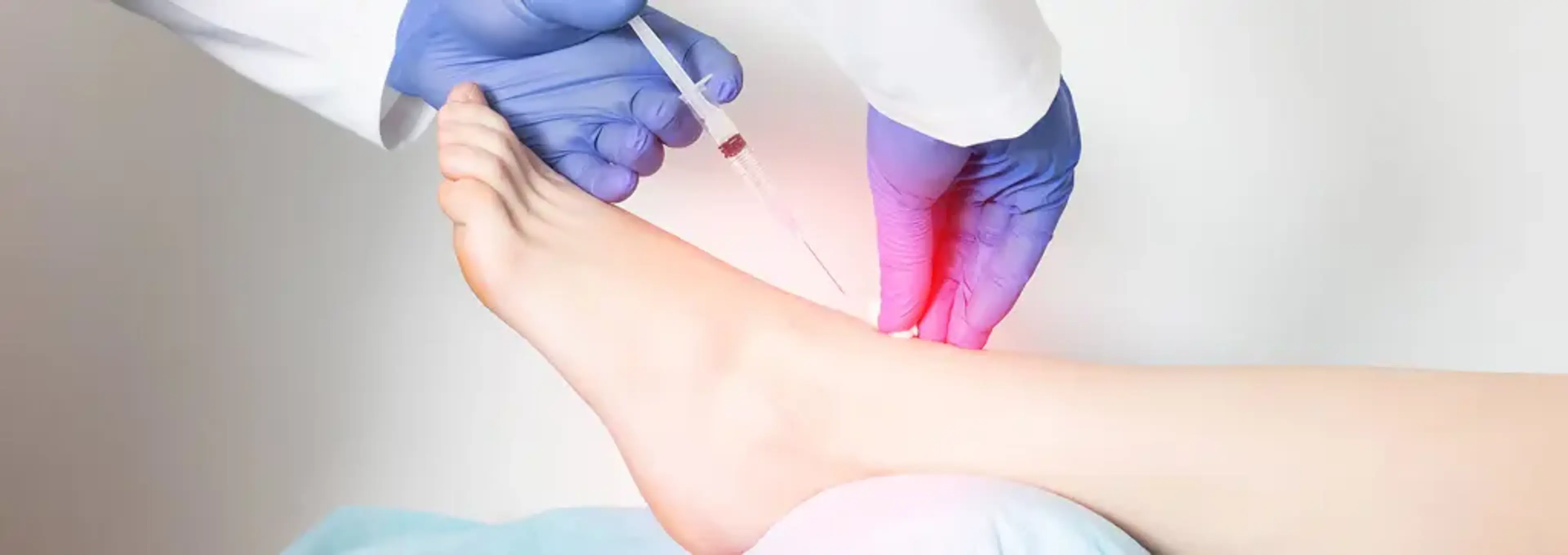
Using ultrasound or fluoroscopic guidance, we inject the concentrated stem cells directly into the injured joint. This isn’t a “blind” shot; every injection is guided to the exact area of damage.
Step 5: Regenerative Rehabilitation
Healing doesn’t stop at the injection. We pair the procedure with a tailored rehab plan — including physiotherapy, movement modification, and nutritional guidance — to maximize tissue repair.
Who Can Benefit?
who-can-benefit
Stem cell therapy isn’t for everyone, but it can be a strong option for:
Mild to moderate osteoarthritis patients wanting to delay or avoid surgery.
Sports-related injuries that haven’t responded to physiotherapy or medication.
Early cartilage damage where repair is still possible.
Patients unable or unwilling to undergo joint replacement surgery due to age, health conditions, or lifestyle.
Real Patient Story
real-patient-storyWe recently met a 62-year-old retired teacher who had been living with knee pain for years. She’d been told by multiple doctors that a knee replacement was inevitable. Everyday life became an obstacle course — climbing stairs felt like scaling a mountain, and even a short grocery trip left her wincing in pain.
When she came to Seoul Yes Hospital, she wasn’t looking for a miracle — just an alternative to surgery that could help her stay active and independent. After a careful evaluation, she began stem cell therapy, paired with a customized rehabilitation plan.
Six months later, she shared something remarkable: she was walking an hour each morning along the Tancheon Stream. “It’s not like I’m 20 again,” she smiled, “but I can walk without thinking about my knees every second — and that’s freedom.”
Her story is just one example of how regenerative treatments can give people their mobility back, not by replacing a joint, but by helping the body repair itself.
Why Stem Cell Therapy Matters in Korea Today
why-stem-cell-therapy-matters-in-korea-todayKorea is aging faster than almost any other country. By 2030, more than a quarter of our population will be over the age of 65. And with aging comes a sharp rise in degenerative joint conditions — one of the leading causes of lost mobility, loss of independence, and reduced quality of life.
But there’s also a cultural truth we see every day in our clinic: most Koreans prefer non-surgical solutions whenever possible. Long recovery times, work responsibilities, and a deep-rooted belief in “saving surgery as the last option” drive many to seek alternatives.
Stem cell therapy meets those needs perfectly:
Regenerative – Designed to repair damaged tissue, not just mask pain or replace the joint.
Minimal Downtime – Most patients resume daily activities quickly, without lengthy hospital stays.
Potential Long-Term Relief – May reduce or even eliminate the need for ongoing pain medication.
At Seoul Yes Hospital, we believe this combination of science, safety, and cultural fit is why regenerative medicine will continue to play a central role in Korea’s future joint care — helping people stay active longer, and age on their own terms.
Setting Realistic Expectations
setting-realistic-expectationsAt Seoul Yes Hospital, we’re upfront: stem cell therapy isn’t magic. It works best for certain conditions and in patients willing to actively participate in their recovery. Severe, bone-on-bone arthritis may still require surgery eventually.
But for the right patient, it can mean years of improved mobility, reduced pain, and a better quality of life — without going under the knife.
Conclusion: From Pain to Possibility
conclusion:-from-pain-to-possibilityJoint pain has a way of shrinking your world. You start saying no to weekend trips, skipping activities you used to enjoy, and planning your day around what your knees or hips will “allow.”
Stem cell therapy can’t turn back the clock, but it can help restore what’s been lost — not just by reducing pain, but by supporting your body’s own repair process.