Home / Articles
Healing Power of Stem Cells Against Chronic Fatigue and Low Energy
Home / Articles
Healing Power of Stem Cells Against Chronic Fatigue and Low Energy
If this sounds familiar, you're not alone. Every day, we see patients who are frustrated, confused, and often dismissed. They’ve tried everything—vitamin supplements, stricter sleep schedules, even antidepressants—yet nothing seems to touch the bone-deep exhaustion. For some, it’s been years since they truly felt like themselves.
That’s where stem cell therapy enters the picture. And to fully understand its promise, we need to first explore the true complexity of fatigue and the biological chaos that drives it.
In Korea’s fast-paced society, exhaustion is often worn as a badge of honor. But there’s a vast difference between feeling tired after a long day and living with chronic fatigue. This isn’t the kind of tiredness that improves with a good night's sleep or a weekend getaway. It's unrelenting, invisible, and often deeply isolating.
Patients with chronic fatigue often describe it as a kind of internal shutdown. You may look fine on the outside, but internally, it feels like your body is stuck in low gear. Even basic tasks—like grocery shopping, climbing stairs, or holding a conversation—can feel overwhelming. Many also struggle with guilt or shame, especially when family or coworkers misunderstand the severity of their symptoms.
At Seoul Yes Hospital, we’ve seen countless cases where fatigue has fractured relationships, derailed careers, or triggered mental health spirals. One patient, a 41-year-old teacher, shared that she had to take a leave of absence—not because of burnout, but because she could no longer make it through a full school day without feeling like she would collapse.
From a biological standpoint, chronic fatigue is a multi-system failure. It’s not just about being low-energy—it’s about the body's energy creation systems failing to meet even basic demands. The mitochondria underperform. The immune system becomes misdirected. The nervous system teeters between fight-or-flight and shutdown. And all the while, patients are told it’s “just stress.”
For example:
In this state, every exertion feels like climbing a hill with no summit. Life becomes limited—not because of a lack of will, but because the biological systems responsible for energy, focus, and resilience are under siege.
Fatigue is one of the most common complaints in clinical medicine—and one of the most misunderstood. Chronic Fatigue Syndrome (CFS), also called Myalgic Encephalomyelitis (ME), is not simply "being tired." It's a complex condition involving immune dysfunction, mitochondrial impairment, neuroinflammation, and sometimes even latent viral activity.
Unfortunately, most conventional care strategies address only the tip of the iceberg:
Here’s what we often see in real patients: they’ve done their part. They've improved their diet, committed to gentle exercise, and optimized sleep routines. But energy just doesn’t come back.
To be honest, telling someone with CFS to "just push through it" can be deeply harmful.
This is why we began exploring more foundational solutions—particularly the regenerative potential of mesenchymal stem cells (MSCs).
Stem cells are not just "miracle" cells; they are intelligent agents of repair. In the case of chronic fatigue, MSCs hold unique promise in three key areas:
Many fatigue patients show signs of chronic immune activation. Their bodies are in a constant low-grade battle, leading to inflammation that disrupts sleep, cognition, and energy production. MSCs help by:
Releasing anti-inflammatory cytokines
Rebalancing T-regulatory and helper cells
Guiding immune cells back to a homeostatic state
This immune reset can be the beginning of true energy restoration.
Every cell in your body runs on mitochondrial energy, known as ATP. In chronic fatigue, mitochondria often underperform. Preliminary studies suggest MSCs may secrete factors that support mitochondrial repair and even transfer healthy mitochondria directly to damaged cells.
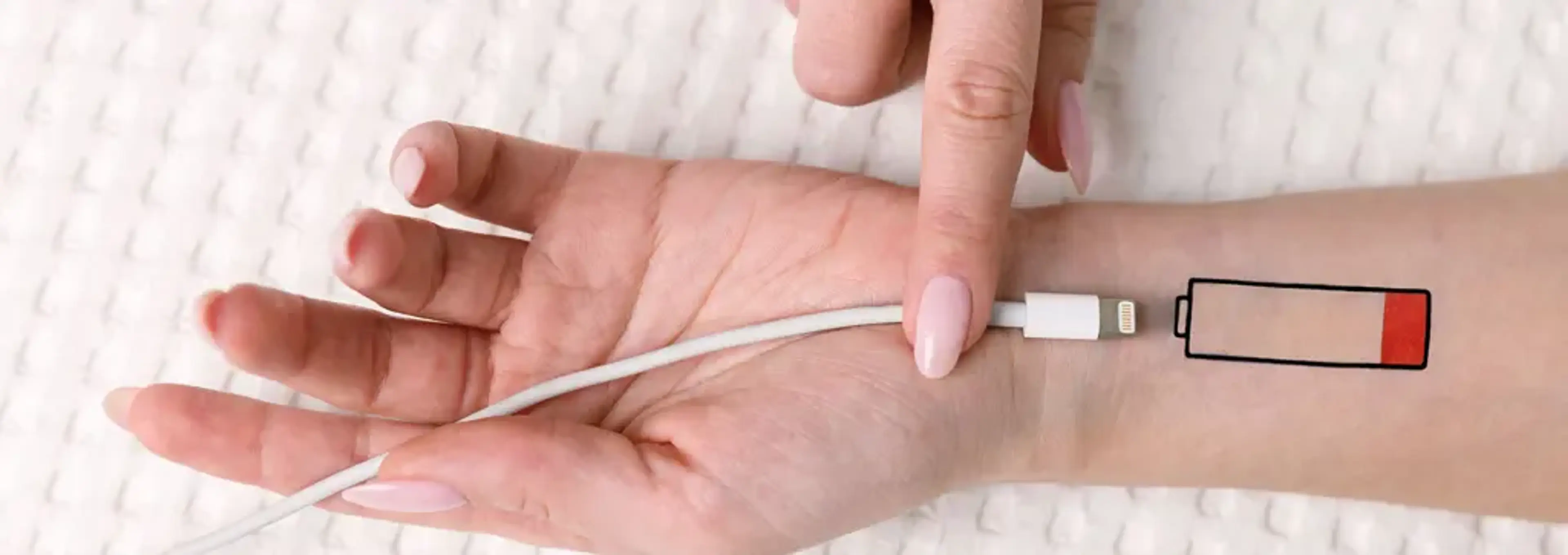
It’s like replacing the faulty battery in your phone—except in this case, the phone is your body. And when energy metabolism improves, everything improves.
Brain fog, one of the hallmark symptoms of CFS, often stems from neuroinflammation. MSCs can cross the blood-brain barrier and reduce this inflammation, leading to clearer thinking, improved memory, and better mood regulation.
This could explain why many patients report cognitive clarity as one of the earliest improvements after treatment.
Here at Seoul Yes Hospital, patients undergoing stem cell-based treatments often report improvements within 1–3 months:
Increased stamina during daily activities
Reduced joint and muscle pain
Deeper, more restorative sleep
Clearer cognitive function (less "brain fog")
One of our patients, a 52-year-old business executive, described it best: "It feels like someone turned the lights back on in my brain. I haven’t felt this clear in years."
We’ve also seen younger patients in their 30s who had post-viral fatigue after COVID or Epstein-Barr virus. Many regained their focus and resilience after completing a full round of cell therapy combined with nutritional and neuroimmune support.
Another patient, a mother of three, shared that she was finally able to return to morning walks with her children—something she hadn’t managed in over two years.
Of course, every case is unique, and not everyone responds the same way. But the growing body of clinical observations suggests that stem cell therapy can offer more than just symptom relief—it can help rekindle the body’s core vitality.
We are hopeful, but also realistic. Stem cell therapy is not a one-size-fits-all solution. Here's what we advise our patients to consider:
Dr. Sung-Hoon Cho, our Chief Medical Director and a pioneer in immune cell therapy, often says: "Regeneration is not just science; it's an act of listening to the body's deeper needs."
At Seoul Yes, we don’t just inject stem cells and send you home. We build a personalized roadmap that respects your story, your symptoms, and your goals. From advanced diagnostics to gentle follow-up care, our multidisciplinary team is here to walk with you—step by step.
We believe that true healing happens when science meets empathy. And when it comes to chronic fatigue, that combination can be life-changing.
If you're constantly tired despite doing "everything right," don’t settle for less. Chronic fatigue doesn’t just steal your energy; it steals time, joy, and connection.
You deserve more than temporary fixes. You deserve care that looks deeper, thinks smarter, and treats you as a whole person.
Stem cell therapy may not be a miracle cure—but it could be the restart your body has been waiting for.
Let us help you reconnect with your own vitality.
Chronic fatigue isn’t laziness. It isn’t weakness. It’s a serious condition that demands a serious, compassionate approach. At Seoul Yes Hospital, we believe in the power of regenerative medicine to give patients their lives back—not just by treating symptoms, but by healing at the cellular level.
Whether you’re an overworked parent, a young professional, or an older adult struggling to get through the day, we’re here to offer options grounded in science, guided by experience, and delivered with heart.
We’ve helped patients return to work, rebuild family connections, and even rediscover hobbies they once thought impossible. With stem cell therapy and a holistic treatment strategy, healing doesn’t have to remain a dream.