Home / Articles
Stem Cell Therapy for Improving Joint Mobility in Osteoarthritis Patients
Home / Articles
Stem Cell Therapy for Improving Joint Mobility in Osteoarthritis Patients
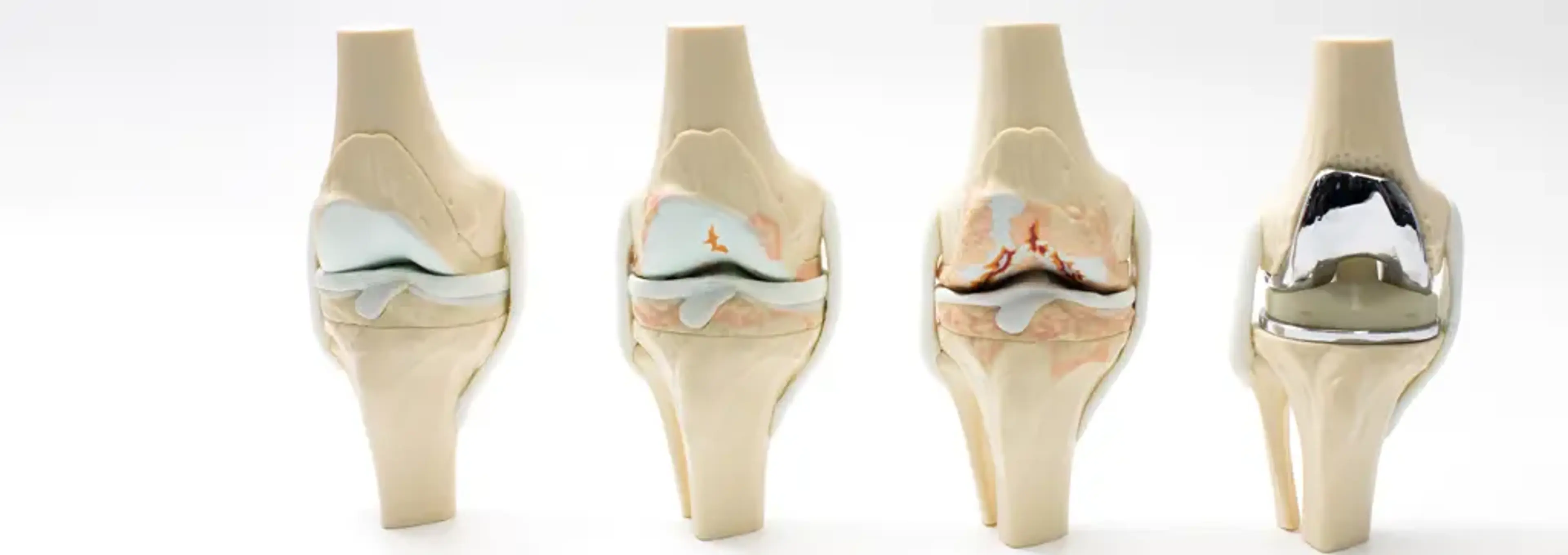
Osteoarthritis (OA) is a progressive joint disease that affects millions worldwide, particularly adults over 50. It occurs when the cartilage — the smooth, slippery tissue that cushions the ends of bones — deteriorates over time. Cartilage acts like a shock absorber and allows bones to glide over each other during movement. When it wears down, bones start to grind, causing pain, swelling, and reduced flexibility. Over time, the joint loses its full range of motion, making simple activities — such as walking, bending, or climbing stairs — painful and difficult.
In Korea, with an aging population and rising lifestyle-related joint stress, OA has become increasingly common. Many patients are reluctant to undergo surgery, and conventional treatments often offer only temporary relief. This has spurred interest in regenerative options like stem cell therapy.
Stem cell therapy is a cutting-edge regenerative treatment that aims to repair damaged tissue and restore joint function. It primarily uses mesenchymal stem cells (MSCs), which have the unique ability to transform into various tissue types, including cartilage, bone, and fat. These cells are typically harvested from a patient’s own bone marrow or adipose (fat) tissue, processed in a lab, and then injected directly into the affected joint.
The therapeutic goal is twofold:
Unlike pain medications or corticosteroid injections, which merely address symptoms, stem cell therapy targets the root cause by attempting to regenerate damaged joint structures. This approach aligns well with Korea’s growing demand for non-surgical, long-lasting pain relief options.
Several clinical and laboratory studies have shown encouraging results for stem cell therapy in OA:
Patients with mild to moderate OA frequently report improved pain scores, better joint flexibility, and enhanced mobility within a few months after treatment.
Imaging studies in some trials show signs of cartilage thickening or stabilization in early-stage OA patients.
The minimally invasive nature of stem cell injections means shorter recovery times and lower risk compared to surgical options like joint replacement.
This makes stem cell therapy particularly attractive for active adults and aging patients who wish to maintain their quality of life without undergoing major surgery.
However, not all data is conclusive, and several important limitations must be considered:
The landmark MILES Study (2023), which compared stem cell therapy with corticosteroid injections, found no statistically significant difference in pain or function at one-year follow-up. This underscores the need for realistic expectations.
Variability in treatment protocols — including differences in stem cell source (bone marrow vs. adipose), processing techniques, dosage, and injection method — leads to inconsistent outcomes across studies.
Most current evidence supports short-to-medium-term benefits. Long-term durability of stem cell-induced cartilage regeneration remains unproven.
In advanced OA (stage 4 or "bone-on-bone" arthritis), the joint environment may be too degraded for stem cells to yield meaningful improvements.
Stem cell therapy is often classified as investigational, meaning insurance typically does not cover it. Treatment costs can be significant, ranging from 3 million to 10 million KRW depending on the protocol and provider.
Overall, while stem cell therapy shows promise, it is not a one-size-fits-all solution. Success depends on careful patient selection, appropriate timing, and integration into a broader care strategy.
At Seoul Yes Hospital, we’ve observed the greatest success in patients who meet the following criteria:
As a regenerative medicine center based in Suji-gu, Yongin-si, Seoul Yes Hospital specializes in patient-focused, minimally invasive treatments for musculoskeletal conditions. Our team of 16 specialists, led by Dr. Sung-Hoon Cho — a pioneer in NK cell and stem cell therapies — evaluates each patient holistically.
We use only rigorously vetted protocols for stem cell harvesting, processing, and injection. Just as importantly, we provide individualized follow-up care that includes physical therapy, gait correction, nutritional guidance, and long-term monitoring. We do not offer stem cell therapy as a quick fix, but as a part of a broader, strategic plan to restore mobility, delay joint deterioration, and enhance quality of life.
In our experience, patients who fully engage with the treatment process and maintain realistic expectations tend to experience significant, lasting improvement.
The field of regenerative orthopedics is rapidly evolving. Several exciting developments are underway:
These innovations could make future treatments more effective, accessible, and personalized.
Before committing to stem cell treatment, patients should be well-informed. Consider asking:
Informed decision-making is critical. Patients should feel empowered to discuss their goals, ask detailed questions, and compare treatment options.
Stem cell therapy represents a promising frontier in the treatment of osteoarthritis — especially for those seeking an alternative to surgery. While it is not a miracle cure, when delivered with clinical precision and embedded in a comprehensive care plan, it can provide meaningful improvements in joint mobility, pain levels, and quality of life.
At Seoul Yes Hospital, we are committed to advancing regenerative medicine with integrity, compassion, and scientific rigor. If joint pain is limiting your daily life and conventional therapies are no longer enough, it may be time to explore whether stem cell therapy — delivered by an experienced, multidisciplinary team — could be right for you.
Talk to a doctor. Consider your options. And take the next step toward healing.