Introduction
introductionThe idea of using stem cells for brain and nerve regeneration can seem like something straight out of science fiction, but in reality, it’s a promising and increasingly effective treatment for a range of neurological conditions. Whether you’re dealing with the effects of stroke, neurodegenerative diseases like Parkinson’s or Alzheimer’s, or nerve damage, stem cell therapy offers hope for healing where traditional treatments may fall short. At Seoul Yes Hospital, we specialize in advanced regenerative therapies, helping patients navigate the potential of stem cells to restore damaged brain tissue and nerve function. If you’ve been considering stem cell therapy for a neurological condition, here's what you can expect from this groundbreaking treatment.
Understanding Stem Cells in Brain and Nerve Regeneration
understanding-stem-cells-in-brain-and-nerve-regenerationStem cells are the body's repair agents, with the incredible ability to transform into different types of cells based on what’s needed for healing. In the context of the brain and nervous system, stem cells are a powerful tool for regeneration and recovery. But how exactly do stem cells work to repair nerve and brain tissue, and why are they so essential in modern medical treatments?
At Seoul Yes Hospital, we specialize in utilizing these cutting-edge stem cell therapies to help patients recover from neurological conditions. To truly understand the role of stem cells in brain and nerve regeneration, it’s important to break down how they work and the types of conditions they address.
The Power of Stem Cells: A Quick Overview
the-power-of-stem-cells:-a-quick-overviewStem cells are undifferentiated cells, meaning they don’t yet have a defined function. This gives them the remarkable ability to develop into many different types of cells, including neurons (nerve cells) or glial cells (support cells for neurons) in the brain and nervous system. Think of them as a "blank slate" with the potential to become whatever type of tissue is required to heal an injury or restore function.
In neurological therapies, two key types of stem cells are often used:
Mesenchymal Stem Cells (MSCs): These stem cells are typically sourced from a patient’s own fat tissue or bone marrow. MSCs have shown significant potential in regenerating damaged tissue and reducing inflammation, which is crucial in conditions like stroke, spinal cord injury, and multiple sclerosis.
Neural Stem Cells (NSCs): NSCs are stem cells that naturally generate neurons and glial cells. These are especially valuable in treating conditions that involve extensive neuronal damage or neurodegeneration, such as Alzheimer's disease or Parkinson’s disease.
How Stem Cells Work in Brain and Nerve Regeneration
how-stem-cells-work-in-brain-and-nerve-regenerationThe real magic of stem cells lies in their ability to promote healing through two primary mechanisms:
Neuroprotection: Stem cells can release bioactive molecules that protect existing neurons from further damage. This is particularly important in diseases like Alzheimer's and Parkinson's, where neurons are progressively destroyed. The stem cells release neurotrophic factors (molecules that support neuron growth), essentially “shielding” the remaining healthy brain cells.
Regeneration: Stem cells have the ability to differentiate, or transform, into the specific types of cells required for regeneration. In the case of brain and nerve damage, this could mean stem cells turning into new neurons to replace those that have been lost, or they could help form supportive tissue to improve the function of remaining healthy neurons. In other words, stem cells aren’t just healing—they’re rebuilding.
This regenerative potential gives stem cells an edge over traditional treatments like medications or surgeries, which often only manage symptoms without addressing the root cause of the damage. Stem cells aim to restore lost or damaged function by enabling the body to heal itself.
How Stem Cells Help the Brain and Nervous System
how-stem-cells-help-the-brain-and-nervous-systemThe process of using stem cells for regeneration involves two key mechanisms:
Neuroprotection: Stem cells release factors that protect existing neurons from further damage. These growth factors can prevent cell death caused by conditions like stroke or neurodegenerative diseases.
Regeneration: In some cases, stem cells can differentiate into the types of cells needed to replace damaged neurons or nerve tissue, effectively encouraging the brain and nervous system to "repair" themselves.
The most exciting part is that these processes don't just address the symptoms; they aim to heal the underlying damage, offering long-term benefits rather than just temporary relief.
What to Expect During the Treatment Process
what-to-expect-during-the-treatment-processThe stem cell treatment process for neurological conditions typically unfolds in several stages:
Initial Consultation: During your first visit, a specialist at Seoul Yes Hospital will assess your medical history, conduct necessary tests, and determine if you're a good candidate for stem cell therapy. It's important to have a clear understanding of your condition, the available treatment options, and the expected outcomes.
Stem Cell Collection and Preparation: If you're a suitable candidate, the next step is to obtain stem cells. At Seoul Yes Hospital, we typically use autologous stem cells (stem cells taken from your own body) to minimize the risk of rejection. These cells are usually collected from adipose (fat) tissue or bone marrow, processed, and prepared for injection.
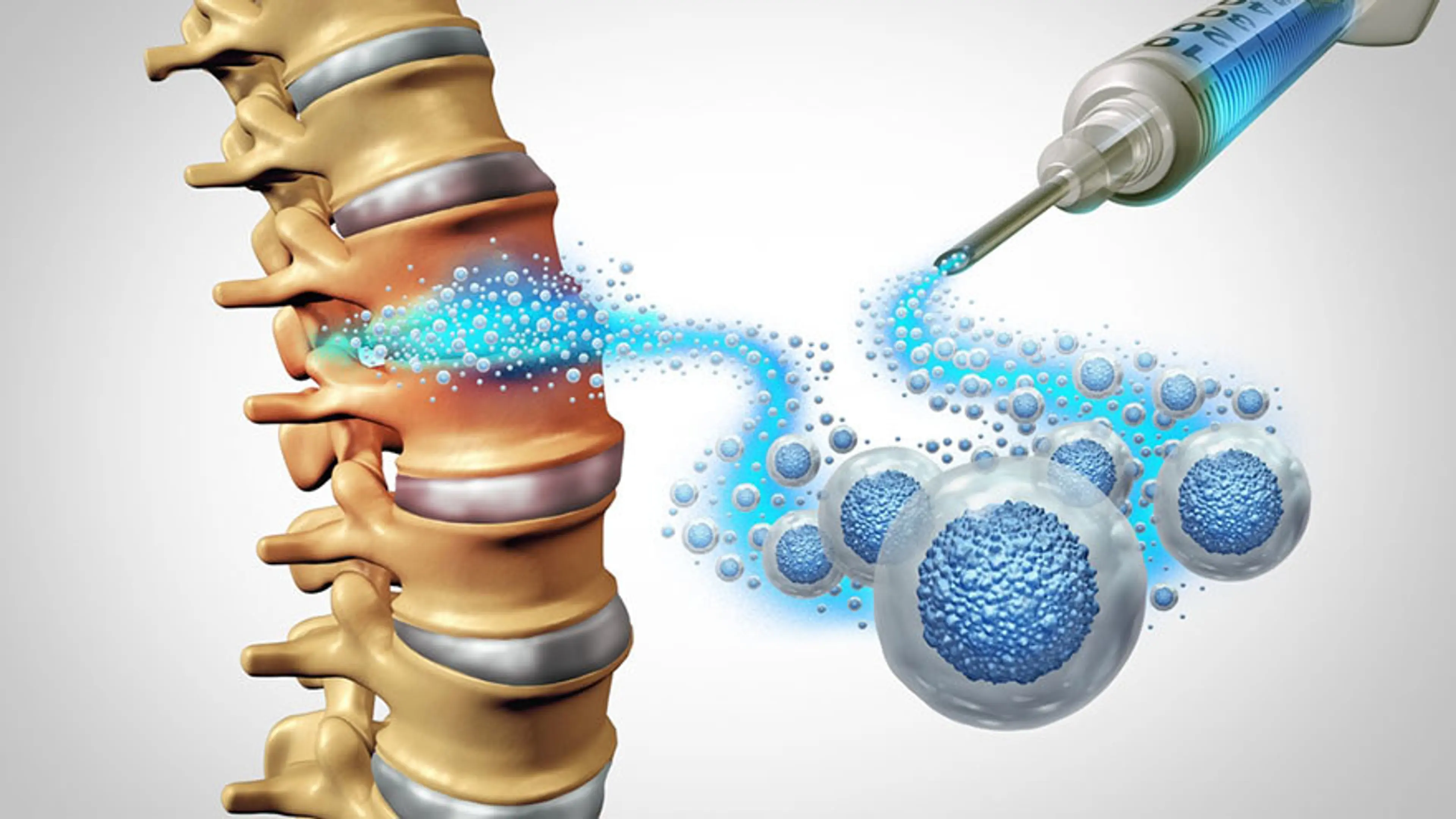
Injections or Transplantation: Once your stem cells are ready, they are injected into the targeted areas of your brain or nervous system. Depending on your condition, this might involve an intravenous (IV) injection or a more localized procedure like an epidural or direct injection into the spinal cord or brain.
Post-Treatment Recovery: After treatment, you'll be monitored closely to assess how well your body responds. Most patients don't require an extended hospital stay, but you may need to follow specific post-treatment care guidelines, such as avoiding strenuous activity for a period or taking medications to support the healing process.
The Expected Timeline: How Long Until You See Results?
the-expected-timeline:-how-long-until-you-see-resultsOne of the most common questions we get from patients is, “How soon will I feel better?” The answer, unfortunately, is not straightforward. The effects of stem cell therapy are gradual and vary depending on several factors:
Severity of the Condition: Patients with more advanced neurodegenerative diseases or significant nerve damage may take longer to see improvements compared to those with less severe conditions.
Individual Response: Stem cell therapy is a highly individualized treatment. Some people may notice improvements in a few weeks, while others may require several months to experience noticeable changes.
Therapeutic Goals: If your goal is to manage symptoms and improve quality of life, the improvement might be felt more quickly. If the aim is full tissue regeneration, this may take longer.
In general, patients can expect to see some form of improvement within 6 to 12 months following treatment. However, ongoing support and lifestyle changes (such as physical therapy) often play a significant role in maximizing the benefits.
Potential Benefits of Stem Cell Therapy for Brain and Nerve Regeneration
potential-benefits-of-stem-cell-therapy-for-brain-and-nerve-regenerationThe benefits of stem cell therapy for brain and nerve regeneration extend beyond just healing damaged tissue. Here’s what many patients notice:
Improved Cognitive Function: For those with conditions like Alzheimer's or early-stage Parkinson's, stem cells have been shown to slow cognitive decline and even enhance memory and learning capacity.
Reduced Inflammation: Stem cells can help reduce inflammation in the nervous system, which is often a contributing factor in many neurodegenerative diseases.
Restored Motor Function: In patients recovering from strokes or spinal cord injuries, stem cells can help improve motor function and movement, sometimes restoring mobility that was thought to be lost permanently.
Pain Relief: Stem cell treatments can reduce nerve pain and offer significant relief for patients with neuropathy or chronic nerve-related pain.
Possible Side Effects and Risks
possible-side-effects-and-risksWhile stem cell therapy holds great promise, like any medical treatment, it’s not without risks. The risks associated with stem cell therapy for brain and nerve regeneration are generally minimal but can include:
Infection: As with any procedure that involves injections or surgeries, there is a risk of infection. However, at Seoul Yes Hospital, we use strict sterilization protocols to minimize this risk.
Rejection or Immune Response: If stem cells from a donor are used (as opposed to autologous stem cells), there's a small risk that the body could reject them. This is why autologous stem cells are often preferred.
Complications from Injections: Depending on where the stem cells are injected, there may be a risk of complications, such as bleeding or nerve injury, though these are rare.
These side effects are usually temporary and can be managed effectively by the medical team at Seoul Yes Hospital.
What Makes Seoul Yes Hospital Stand Out?
what-makes-seoul-yes-hospital-stand-outAt Seoul Yes Hospital, we're not just pioneers in stem cell therapy; we are deeply committed to personalized care. Dr. Sung-Hoon Cho and our multidisciplinary team of specialists combine years of experience in regenerative medicine with the latest techniques in stem cell therapy.
We understand that conditions affecting the brain and nervous system are deeply personal, often affecting every aspect of your life. Our approach is holistic, combining advanced therapies with compassionate, patient-centered care. Whether you’re dealing with the early stages of a neurological disorder or recovering from a traumatic injury, we’re here to help you navigate your healing journey.
Conclusion
conclusionStem cell therapy for brain and nerve regeneration is a rapidly advancing field that holds great promise for patients suffering from neurological conditions. While the treatment process can vary, the potential benefits—such as improved cognitive function, reduced pain, and restored mobility—are encouraging. At Seoul Yes Hospital, we provide personalized, compassionate care backed by cutting-edge science to guide you through this transformative journey. If you’re exploring options to address nerve damage or brain-related issues, stem cell therapy may offer the healing you’ve been seeking. Reach out to our team to learn more and start the path toward a better, healthier future.